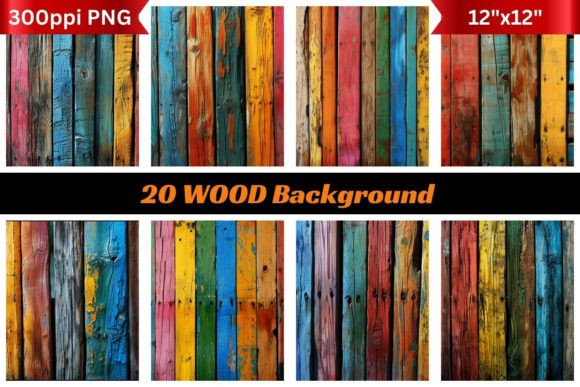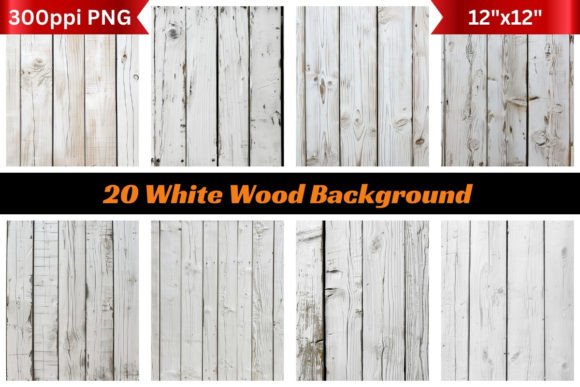
20 White Wood Backgrounds for Authentic Design
In the realm of digital design, the backdrop is often the silent hero that sets the entire mood of a project. While we spend hours perfecting typography and layout, the canvas beneath it all dictates the "feel" before a single word is read. This is where the 20 White Wood Backgrounds collection enters the conversation. It is not merely a set of images; it is a carefully curated toolkit designed to inject warmth, texture, and a sense of grounded reality into digital spaces that might otherwise feel flat or sterile.
The Aesthetic of "Clean Rustic"
There is a specific visual language that white wood speaks. It balances the organic irregularity of nature with the brightness of modern minimalism. When you utilize the 20 White Wood Backgrounds, you are tapping into a "clean rustic" aesthetic. Unlike dark, heavy timber textures that can sometimes overwhelm a design, these backgrounds provide a high-key foundation. They mimic the look of weathered barn wood, painted shiplap, or light driftwood, but they are processed to be digitally pristine. This ensures that while the texture is visible and tactile, it doesn't create visual noise that interferes with your foreground content.
The personality of this collection is versatile. It can feel farmhouse-cozy one moment and Scandinavian-chic the next. For a brand identity that needs to appear approachable and authentic, these textures are invaluable. They suggest transparency and honesty—values that resonate deeply with modern audiences. Whether you are a graphic designer crafting a wedding invitation or a small business owner photographing products for an e-commerce store, the neutrality of white wood allows your subject matter to take center stage while still benefiting from the warmth of a natural environment.
Strategic Applications for Modern Creators
Understanding where to deploy these assets is key to maximizing their impact. The 20 White Wood Backgrounds are incredibly effective across a wide spectrum of projects, serving as more than just a pretty picture.
Social Media and Content Marketing: In the fast-scrolling world of Instagram, Pinterest, and TikTok, grabbing attention is paramount. These backgrounds are perfect for creating quote graphics, promotional announcements, and lifestyle flat lays. If you are a blogger or a content creator in the food, fashion, or home decor niche, using these textures instantly elevates your posts from "amateur graphic" to "curated editorial." The texture adds depth, making flat text overlays look like they are physically printed on a surface, which increases engagement.
E-Commerce and Product Photography: For entrepreneurs selling physical goods, lighting and context are everything. You don't always have access to a professional studio with a physical wooden table. This is where a high-resolution digital download becomes a practical lifesaver. By using these backgrounds, you can composite product photos to look like they were taken in a sun-drenched workshop or a clean, organized kitchen. It provides a consistent visual hierarchy for your product listings, ensuring that your brand looks cohesive and professional across your entire catalog.
Web Design and UI: While flat colors dominate modern web design, texture is making a comeback in subtle ways. A white wood background can be used as a website's main background or in specific "hero" sections to break up the monotony of solid blocks of color. It adds a layer of sophistication to landing pages, particularly for service-based businesses like interior designers, architects, or artisan craftspeople. It signals that the business values craftsmanship.
Integrating Texture into Your Brand Identity
When building a brand identity, consistency is the currency of trust. The 20 White Wood Backgrounds allow you to maintain a consistent visual thread across different media. If your logo features a handwritten font or a script font, placing it against a white wood texture creates a beautiful contrast that highlights the fluidity of the letterforms. Conversely, pairing a bold sans serif font with the wood grain creates a modern, industrial look.
This collection acts as a bridge between the digital and physical worlds. In an era where consumers crave authenticity, showing that your digital presence has roots in the physical world—through the use of realistic textures—can humanize your brand. It moves your aesthetic away from the "generic corporate" look and toward something more bespoke and relatable.
Technical Quality and Versatility
The utility of a background file depends heavily on its technical specifications. These 20 White Wood Backgrounds are provided as high-resolution files, meaning they can be scaled for large-format printing—such as trade show banners, posters, or packaging design—without losing fidelity. The grain structure remains sharp, ensuring that even when viewed up close, the illusion of materiality holds up.
Furthermore, the "white" aspect of these backgrounds is not a flat, blown-out white. It retains dynamic range. There are subtle shadows in the grain and variations in the "paint" or "finish" that give the image life. This nuance is critical for photo manipulation and compositing. When you place a shadow-casting object on top of these backgrounds, the interaction between the shadow and the existing texture creates a believable, photorealistic result.
For the DIY crafter or hobbyist, these files open up a world of possibilities for digital planning, scrapbooking, and personalized stationery design. Because they are digital downloads, you have the freedom to print them as many times as you like for personal use, turning your digital designs into tangible items like greeting cards, wall art, or planner covers.
Practical Workflow Tips
To get the most out of this collection, consider a few workflow adjustments:
- Blending Modes: Don't just place your text on top. Experiment with blending modes like "Multiply" or "Overlay" in your design software. This allows your typography to interact with the wood grain, creating a stamped or engraved effect that looks incredibly high-end.
- Color Grading: While the backgrounds are white, you can easily apply a color wash or gradient overlay to match your specific brand palette. A slight sepia tone can make it look vintage, while a blue tint can make it feel icy and winter-themed.
- Cropping: Don't feel beholden to the whole image. Zoom in on a section of the wood grain to create an abstract texture, or zoom out to show the full plank structure for a more literal interpretation.
Ultimately, the 20 White Wood Backgrounds