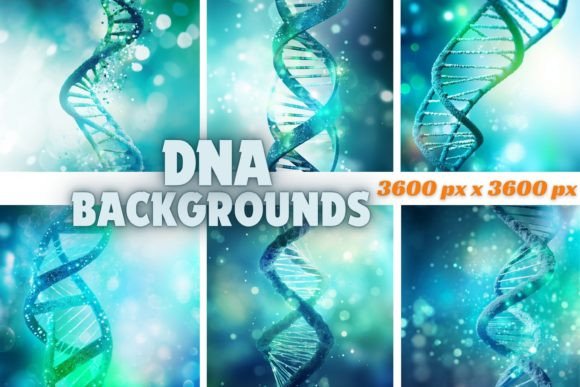
DNA Backgrounds: Visualizing the Code of Life
When we think about brand identity and design assets, we often focus on typography and logo design. However, the backdrop against which your content sits is just as critical. In the world of modern typography and visual strategy, texture and pattern serve as the silent storytellers. This is where DNA Backgrounds step in. These are not just random images of spirals; they are a curated collection of high-definition visuals that bring the intricate, elegant structure of the double helix to your screen. For designers and entrepreneurs, utilizing a creative font is standard practice, but pairing it with a scientifically grounded, aesthetically pleasing background elevates the entire composition.
The visual characteristics of these backgrounds rely on the inherent beauty of the DNA structure. It is a pattern that is simultaneously chaotic and ordered, organic yet geometric. The appeal lies in its universality. Just as a serif font conveys tradition and authority, the DNA helix conveys innovation, biology, and the essence of life itself. These backgrounds typically feature vibrant, flowing lines that mimic the "symphony" of genetic coding. They offer a dynamic movement that static, flat colors cannot achieve. For a content creator or a brand strategist, this offers a way to infuse energy into digital spaces without overwhelming the primary message. It is about creating an atmosphere—whether that is the microscopic wonder of science or the colorful abstraction of digital art.
Practical Applications for Digital Spaces
Understanding where to deploy these visuals is key to their effectiveness. The most immediate application for many professionals is in virtual communication. A Zoom background sets the stage for your professional presence. Using a DNA background here does more than just hide a messy room; it communicates a mindset. For those in the biotech, healthcare, or pharmaceutical sectors, it reinforces industry relevance. However, the application extends far beyond science. For a graphic designer, the intricate lines of a double helix can serve as a complex texture behind a bold, sans serif font, creating a striking contrast between the organic pattern and the clean typography. It turns a standard desktop into a canvas of genetic artistry.
Furthermore, consider the role of these backgrounds in editorial design and packaging design. If you are creating a presentation for a pitch deck, a subtle DNA pattern can act as a unifying visual motif, tying different slides together with a cohesive theme. In web design, high-resolution background images are crucial for establishing mood. A biotech startup’s landing page might use a translucent DNA overlay to suggest innovation and depth. Similarly, in social media graphics, where grabbing attention is paramount, a vibrant, colorful DNA spiral can stop the scroll. It provides a visually stunning context for quotes, announcements, or educational content, making the post more shareable and engaging.
Strategic Impact on Perception and Engagement
Visual hierarchy is a fundamental principle of good design. Just as you choose a display font to command attention, the background choice dictates where the eye rests. DNA backgrounds, with their flowing curves, naturally guide the viewer's gaze. They can create depth, making text appear to float or pop, depending on the overlay opacity. This influences readability. A busy background requires careful handling—perhaps a darker overlay or a bold, light-colored typeface—to ensure the message isn't lost. When executed well, the background enhances the professionalism of the project. It shows a level of care and attention to detail that generic stock photos lack.
From a psychological perspective, these designs evoke a sense of wonder and intelligence. They are perfect for educational materials, logo design concepts for scientific firms, or even personal projects for biology enthusiasts. The "symphony" aspect—blending color, form, and structure—resonates with audiences who appreciate complexity and beauty. For a blogger or publisher, using these backgrounds can help build brand consistency. If your niche involves health, science, or futurism, incorporating this visual language into your web design and headers helps build recognition. It moves your brand from being just another voice to a distinct entity with a specific aesthetic identity.
Implementation and Selection Guide
Choosing the right background requires the same scrutiny you would apply to selecting a premium font. You must evaluate the "fit" for the project. Consider the color palette. Does the background complement your brand colors, or does it clash? If your brand uses cool blues and greens, look for DNA backgrounds that feature similar tones to maintain visual harmony. If you are working on a dark-mode design, seek out deep backgrounds with glowing helices. For lighter, airy designs, look for pastel or white-toned variations.
Testing is essential. Before finalizing a design, overlay your text—whether it is a script font, handwritten font, or serif font—to check for readability. Ensure there is enough contrast. A practical tip is to use the background for larger screens or hero images, but perhaps switch to a solid color or a very subtle pattern for body text areas where long-form reading occurs. This ensures that while the design is visually stunning, it remains functional.
Finally, consider the technical aspects. High-definition (HD) images are necessary for modern retina displays and 4K monitors. Pixelated or blurry backgrounds can ruin an otherwise polished design. Ensure the assets you choose are high-resolution. Whether you are a small business owner refreshing your website, a crafter designing digital invitations, or a marketer creating a campaign, DNA backgrounds offer a versatile tool. They bridge the gap between science and art, providing a dynamic, engaging backdrop that supports your content and enhances your digital presence. By integrating these visuals thoughtfully, you transform a simple screen into a compelling narrative space.