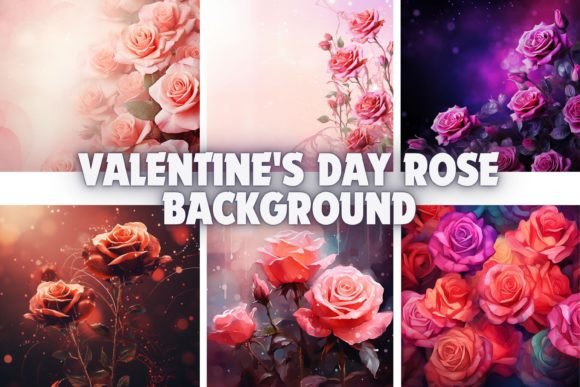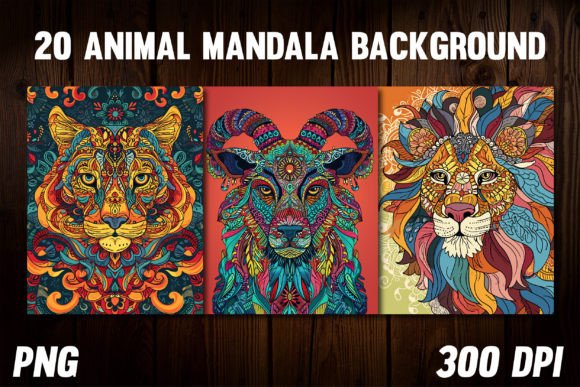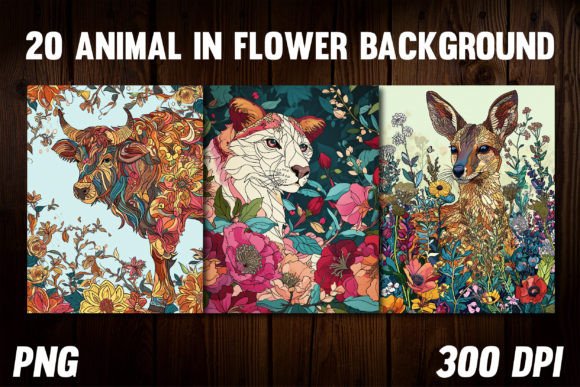
Enchanting Designs: Animal in Flower Backgrounds for Covers
In the world of digital design and publishing, finding assets that strike a balance between organic warmth and professional polish is rare. You often have to choose between a stock photo that looks generic or a complex illustration that requires heavy editing. However, the Animal in Flower Backgrounds collection bridges that gap effectively. These aren't just simple clipart; they are sophisticated compositions where the raw beauty of wildlife meets the delicate geometry of botanical art. Imagine a majestic fox resting amidst wildflowers or a hummingbird suspended in a field of hibiscus. This blend of fauna and flora creates a visual narrative of harmony and tranquility.
For designers and creators, the appeal lies in the texture. These backgrounds possess a specific "personality"—one that feels curated rather than chaotic. They serve as a visual anchor, grounding your content in a theme of natural elegance. Unlike generic gradients, these images carry depth. The interplay between the animal subjects and the floral settings creates natural focal points, allowing you to place text or overlays without the background competing for attention. It is a subtle art, balancing the boldness of an animal portrait with the softness of petals, but when done right, it transforms a simple cover into a compelling invitation.
Strategic Applications for Modern Creators
Understanding where to deploy these assets is just as important as the assets themselves. While the name suggests Animal in Flower Backgrounds for Covers, their utility spans far beyond book jackets. For those in the Amazon KDP space, these designs are a game-changer for coloring books, planners, and journals. A cover featuring a detailed illustration of a bear surrounded by roses immediately signals to the buyer what kind of interior experience they can expect—something relaxing, detailed, and high-quality.
However, the application extends into broader brand identity and digital marketing. Consider the following use cases:
- Social Media Graphics: In a feed dominated by flat colors and minimalism, a rich, botanical background can stop the scroll. These work exceptionally well for wellness brands, eco-friendly products, or lifestyle influencers who want to convey authenticity and growth.
- Packaging Design: For artisanal goods—think organic teas, handmade soaps, or boutique stationery—these backgrounds provide a ready-made aesthetic. They suggest that the product inside is natural, carefully crafted, and premium.
- Editorial and Web Design: When creating headers for blog posts or landing pages, these images can break up text-heavy content. They provide a visual "breath" for the reader, maintaining engagement without distracting from the core message.
The versatility here is key. You are not buying a single-use image; you are acquiring a design asset that can be cropped, filtered, or layered to fit various formats, from Instagram stories to wide-screen desktop wallpapers.
Integrating Visuals into Your Creative Workflow
Adopting new assets requires a shift in how we approach visual hierarchy. When working with Animal in Flower Backgrounds, the background is no longer just a placeholder; it becomes part of the storytelling. To ensure your message isn't lost, you need to consider contrast and legibility. If you are overlaying text, look for areas within the image that have lower visual density—perhaps a patch of sky or a cluster of lighter flowers. Using a slight vignette or a semi-transparent overlay can also help push the background back, allowing your foreground elements to pop.
From a typography perspective, pairing is crucial. These backgrounds have a lot of organic movement and detail. Therefore, highly ornate script fonts or chaotic handwritten fonts might get lost in the foliage. Instead, consider clean sans serif fonts for a modern contrast, or a sturdy, classic serif font to lean into the timeless, botanical aesthetic. The goal is to create a conversation between the type and the image, not a shouting match.
Here is a practical checklist for evaluating fit:
- Evaluate the Color Palette: Does the dominant color of the background align with your brand colors? If not, are the files easy to adjust using hue/saturation tools?
- Check the Resolution: For print projects like packaging design or editorial design, ensure the resolution is high enough (300 DPI) so the intricate floral details don't become pixelated.
- Assess the Mood: Does the specific animal evoke the right emotion? A wolf might suggest independence and strength, while a rabbit suggests gentleness and approachability.
Ultimately, these backgrounds offer a shortcut to a polished, professional look. They eliminate the need to composite multiple images together to achieve a nature-inspired theme. By leveraging these high-quality assets, you can maintain a consistent aesthetic across your digital art, social media graphics, and publishing